The race will start in Graaff Reinet and finish in the Shamwari bushveld, with two nights at three key Burn Camps
Ahead of entries opening on 3 February, Nedbank Gravel Burn has put on the table the question the whole gravel community has been waiting for: where will the 2026 edition actually go? The organisation has confirmed the start town, the location of the Burn Camps and the overall stage structure, sketching a route that crosses the Great Karoo before heading into the Eastern Cape.
The seven-day, 750-kilometre race will start in the historic town of Graaff Reinet, cross the remote, fossil-rich plains of the Karoo, and finish in the Eastern Cape bushveld at Shamwari Private Game Reserve, with a Big Five welcome and a brief glimpse of the Indian Ocean along the way. Few gravel races in the world can claim such a radical shift in landscape between start and finish.
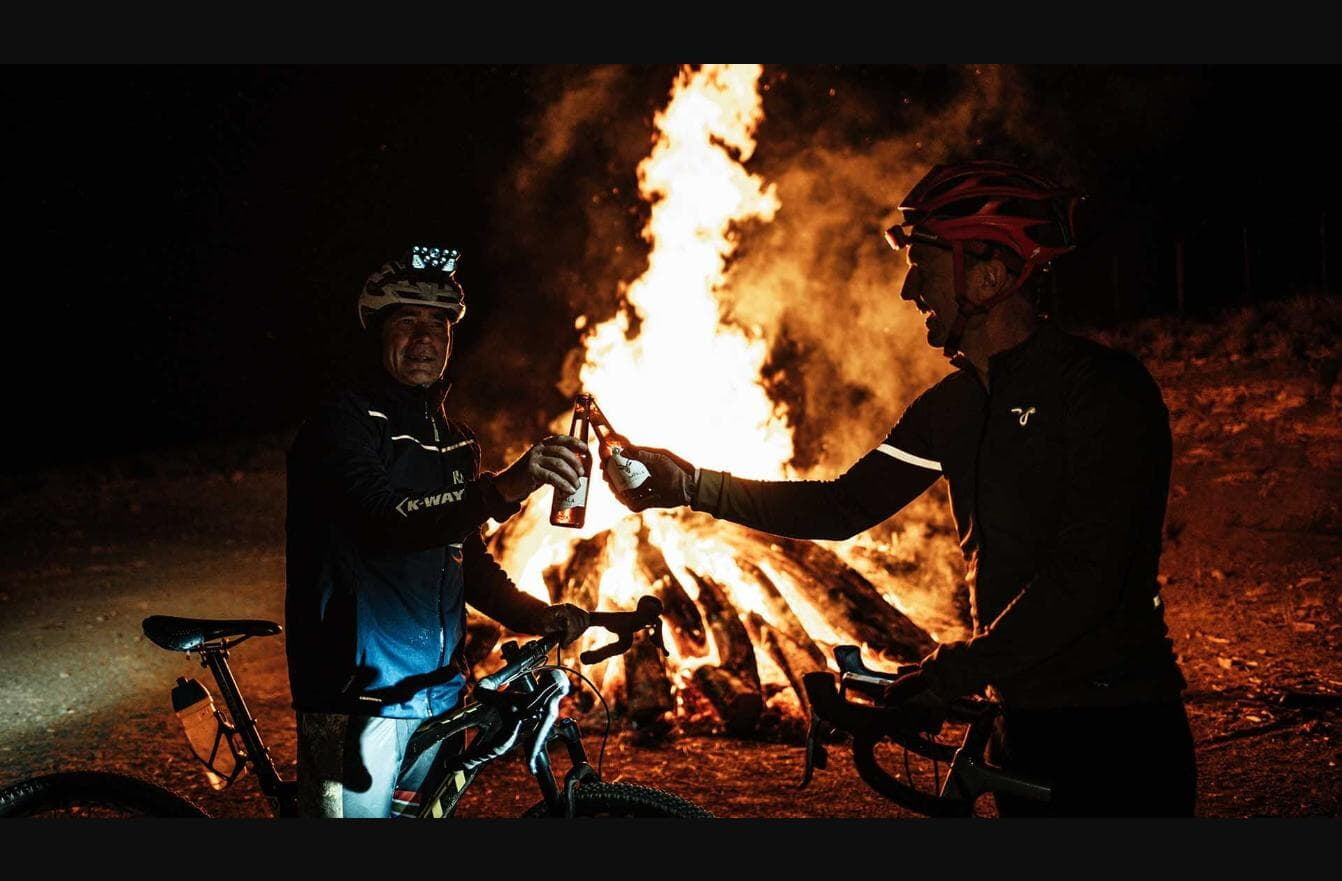
Two nights per camp, to take in the Karoo at a proper pace
The 2026 edition is framed as a cohesive journey through South Africa's semi-desert interior, with a sequence of stages designed to draw riders into the Karoo from day one and build toward a real sense of arrival at the finish. One of the more interesting features of this new structure is the inclusion of two consecutive nights at three locations along the route, rather than moving camp every single day. That gives riders time to properly settle into each Burn Camp, actually rest, and connect with the landscape, culture and rhythm of the journey, instead of experiencing it all through a car window. The detailed routing for each stage will be released closer to the event.
Kevin Vermaak, founder of Nedbank Gravel Burn, sums up the thinking behind the decision like this: the Karoo, he says, isn't a place you move through quickly — it rewards the time and attention you give it. Starting in Graaff Reinet lets riders step straight into that environment from minute one, and everything that follows is shaped by the scale and character of that landscape.
Vermaak also wanted to acknowledge the towns that made the first edition possible: Knysna, Avontuur and Willowmore, whose commitment to the inaugural race was key and which, in his words, remain part of Gravel Burn's story even though they're not on the 2026 route.
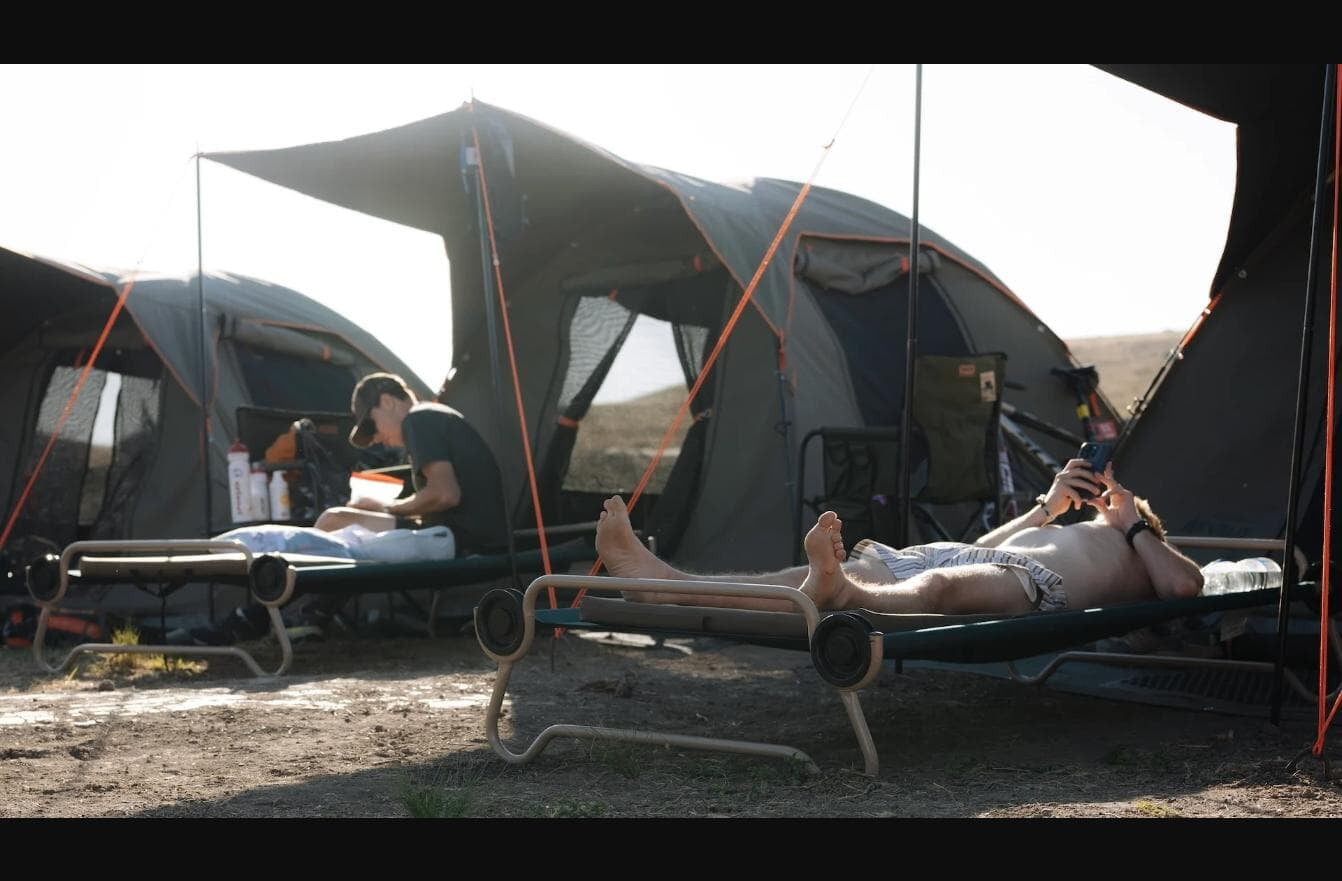
Simpler logistics and one of the most varied fields around
The new stage structure also simplifies travel logistics: riders are encouraged to fly into and out of Gqeberha, with optional race-organised transport available for those who need it. That's no small detail for anyone travelling from outside South Africa who already has enough on their mind sorting out gear and luggage.
Gravel Burn defines itself as a pro-am event in the truest sense of the word, with twenty age-group categories ranging from 18 to 75, riding the same route and sharing camp with the professional elite. British endurance cyclist Juliet Elliott points to exactly that: the diversity of the field, in age and background, a strong female turnout, plus the pro race unfolding alongside the amateur one. That mix, she says, creates a special dynamic, and the Burn Camps add another layer to the experience, letting riders push hard during the day and recover in style at night.
Entries for the 2026 edition open at 15:00 (GMT+2) on 3 February, with the race scheduled for 25 to 31 October 2026. If the Karoo has been on your list of places to explore by bike, now's the time to pencil in the date.